
Replacing Panels That Cannot Keep Pace
Electrical Panel Upgrades in Broomfield for homes with undersized service or outdated breaker systems
Current Power Experts replaces and upgrades electrical panels throughout Broomfield when your current service cannot safely support the electrical demand in your home. You may notice breakers tripping repeatedly when multiple appliances run at once, or your panel may still use fuses or an older style of circuit protection that does not meet current safety standards. Upgrading the panel increases available capacity, improves circuit protection, and allows you to add new loads without risking overload or equipment damage.
This service includes removing the existing panel, installing a new breaker box with higher amperage service if needed, reconnecting existing circuits to new breakers, and adding capacity for future additions such as EV chargers, air conditioning systems, or home expansions. The electrician coordinates with the utility company to upgrade the service drop and meter if your home currently has 100-amp service and requires 200-amp capacity. All work is performed to meet local electrical codes, and a final inspection confirms the installation is safe and properly grounded.
If your breakers trip frequently or you are planning to add high-demand equipment, call to schedule a panel evaluation and upgrade estimate.
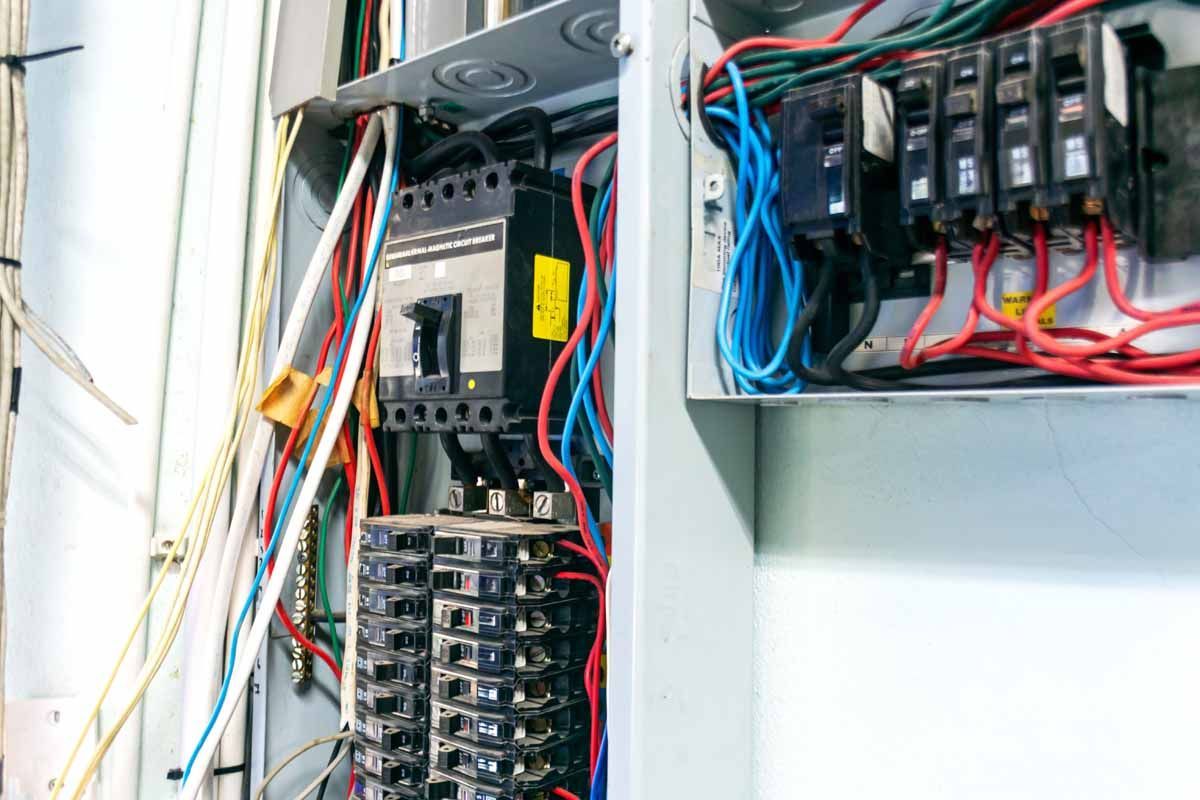
What Changes When You Upgrade Your Panel
Your panel controls how much power flows into your home and how that power is divided among circuits. An undersized panel forces you to manage loads carefully, turning off some devices before starting others. A modern panel with adequate capacity and properly rated breakers allows you to run your HVAC, kitchen appliances, laundry equipment, and vehicle charger simultaneously without concern.
After Current Power Experts installs a new panel, breakers will no longer trip under normal use, and you will have open slots for additional circuits when you remodel or add equipment. Circuit labels will be clear and accurate, making it easy to identify which breaker controls each area of your home. The panel will include modern arc-fault and ground-fault protection where required by code, reducing fire and shock hazards.
Panel replacement typically takes one full day, during which power to your home will be shut off for several hours while the old panel is removed and the new one is installed and tested. The electrician will restore power to all existing circuits and verify correct operation before leaving. If the upgrade includes a service increase, the utility company schedules the meter and service drop replacement separately, which may extend the timeline by a few days depending on their availability.
Common Questions About Panel Replacement
Homeowners often ask about the scope of work, duration, and what to expect during and after the upgrade process.
- What size panel do most homes need today?
Most residential upgrades involve installing a 200-amp panel, which provides enough capacity for modern appliances, HVAC systems, and future additions without requiring another upgrade. - How long will my power be off during the installation?
You should expect a full-day outage, though the electrician may restore partial power during breaks and will have all circuits back online by the end of the workday. - Why do some panels have empty breaker slots?
Those open slots allow you to add new circuits later without replacing the panel again, which is useful when installing equipment like EV chargers or adding rooms. - What happens to my existing circuits?
The electrician reconnects each existing circuit to a new breaker in the upgraded panel, maintaining the same layout and function unless you request changes. - Do panel upgrades require permits in Broomfield?
Yes, panel replacement requires an electrical permit and inspection to ensure the installation meets local codes and safety requirements.
To determine whether your panel needs replacement or additional capacity, contact Current Power Experts for an evaluation and recommendation based on your current and planned electrical loads.